All-on-6 with an autoimmune condition
Autoimmune conditions are common in people over 50, and so are the medicines used to treat them. Most do not rule out implants, but they change how surgery and healing are planned.
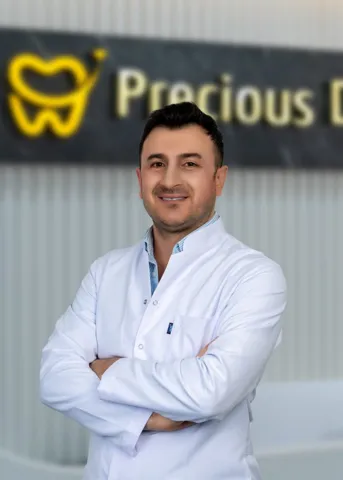 Medically reviewed by Dt. Hüseyin Yavuz Özbek, implant surgeon · Updated October 2026
Many people with autoimmune conditions have successful implants. A 2022 systematic review of 55 studies covering nine autoimmune diseases, including Sjögren's syndrome, oral lichen planus, rheumatoid arthritis and lupus, found implants were generally a workable option, though the evidence is mostly from small studies. What matters most is how active the condition is, the medicines you take (especially steroids and immunosuppressants), and whether your mouth itself is affected.
Why autoimmune conditions come up
In an autoimmune condition, the immune system attacks the body's own tissues. Some of these conditions affect the mouth directly, such as Sjögren's syndrome, which dries it, or oral lichen planus, which makes the gums sore and fragile. Others, such as rheumatoid arthritis or lupus, affect the mouth indirectly, through the medicines used to control them or by making it harder to clean.
For All-on-6, the questions are practical: will the gum and bone heal well after surgery, is infection more likely, and can you keep the bridge clean for years?
What the research shows
A 2022 systematic critical review from the University of Geneva analysed 55 studies covering nine autoimmune diseases: Sjögren's syndrome (17 studies), oral lichen planus (11), type 1 diabetes (8), rheumatoid arthritis (6), systemic scleroderma (4), Crohn's disease (3), systemic lupus erythematosus (3), mucous membrane pemphigoid (2) and pemphigus vulgaris (1). The authors noted that most studies were small and of limited quality, so firm conclusions are difficult, but implants were generally considered a viable option when the condition was well managed.
For Sjögren's syndrome specifically, a separate 2017 review reported average implant survival of 93.7% over about four years. More on that in dry mouth and All-on-6. For type 1 diabetes, see All-on-6 with diabetes.
Condition by condition
| Condition | Main considerations for All-on-6 |
|---|---|
| Rheumatoid arthritis | Medicines that suppress immunity; hand function for cleaning; jaw joint involvement in some people |
| Lupus | Medicines; mouth ulcers in flares; sometimes kidney involvement or blood thinners |
| Sjögren's syndrome | Dry mouth, more plaque and soreness; careful cleaning |
| Oral lichen planus | Fragile, sore gums; surgery timed when the condition is quiet; monitoring of tissues |
| Crohn's disease | Medicines; mouth ulcers; nutrition during the soft-food phase |
| Scleroderma | Reduced mouth opening, which can make surgery and cleaning harder |
This is a simplified overview to help you prepare, not a list of rules. Each person's condition and treatment are different.
The medicines matter as much as the condition
Many autoimmune conditions are treated with medicines that dampen the immune system. These help control the disease but can make infection more likely and healing slower.
- Steroids such as prednisolone: long-term use can slow healing and affect bone. People on long-term steroids may need extra cover around surgery, which your doctor and dentist will plan.
- Conventional immunosuppressants such as methotrexate, azathioprine or mycophenolate.
- Biologic and targeted medicines, given by injection, infusion or tablet.
- Medicines that affect bleeding, sometimes used in lupus. See blood thinners.
- Bone-protecting medicines, often prescribed alongside long-term steroids. See bone medicines.
Never pause or change one of these medicines yourself. Whether to adjust anything around surgery is a decision for your specialist, who knows how likely a flare is and how serious it would be.
Timing surgery
Most dentists prefer to operate when a condition is stable and not flaring. If your condition tends to flare at certain times, or after stress, plan the surgery for a calm period and allow time for recovery. If you are travelling for treatment, think about what would happen if you had a flare while away, and bring enough medicine plus extra.
Hands, joints and cleaning
A fixed bridge needs cleaning underneath every day. If arthritis affects your hands, that can be the hardest part of All-on-6. It is worth raising early, because the bridge can be designed to be easier to clean, and the right tools make a big difference:
- A water flosser, which needs less fine movement than interdental brushes.
- An electric toothbrush with a thick handle.
- Interdental brushes with long, angled handles, or brushes fitted into a foam grip.
- Regular professional cleaning to catch what home cleaning misses.
Our article on All-on-6 when cleaning is harder goes into this in detail. If cleaning a fixed bridge would be too difficult, a removable implant-retained denture may be easier to look after; see All-on-6 and the alternatives.
The jaw joint
Rheumatoid arthritis and some other conditions can affect the temporomandibular joint, the hinge of the jaw. This can limit how wide you can open, make long appointments uncomfortable, and affect how the bite is designed. Mention any jaw pain, clicking or stiffness at your assessment.
After surgery
Healing may be a little slower than average. Follow the aftercare instructions closely, keep the area clean, and report signs of infection early: increasing pain or swelling after the first few days, pus, a bad taste, or a temperature. Our recovery guide explains what is normal. Long term, regular maintenance visits help catch inflammation around the implants before it becomes a problem; see peri-implantitis explained.
Bring this to your consultation
- Your diagnosis and the name of your specialist.
- A full medicines list, including injections and infusions, with doses and how long you have taken them.
- A note of how stable your condition has been recently.
- Any mouth symptoms: ulcers, soreness, dryness or reduced opening.
Mouth ulcers and sore gums
Several autoimmune conditions cause mouth ulcers or sore patches, especially during flares. With a new bridge, a sharp edge or a rough area can make this worse. Tell your dentist about any spots that keep recurring, so the bridge can be smoothed and polished where it meets the gum. A soft toothbrush and a mild, unflavoured toothpaste can help when the mouth is sensitive, and some people find a dentist-recommended mouth rinse useful during flares.
If you have oral lichen planus, ask your dentist to note the areas affected before surgery, so any changes can be compared at check-ups. Lichen planus in the mouth should be monitored over the long term in any case, and implant check-ups are a good opportunity to do that.
Eating well during healing
The weeks of soft food after All-on-6 can be harder if you have Crohn's disease, coeliac disease or a poor appetite from medicines. Plan nutritious soft meals in advance: eggs, fish, lentil soups, yoghurt, smoothies with added protein and well-cooked vegetables. If you have dietary restrictions, ask your specialist team or a dietitian for ideas. Our eating guide lists foods for each stage.
Infection: when to call
Immune-suppressing medicines can hide the usual signs of infection, such as fever, and make infections progress faster. After surgery, contact your clinic promptly if you notice:
- pain or swelling that is getting worse rather than better after day three,
- pus, a persistent bad taste, or a gum that looks grey or white rather than pink,
- feeling generally unwell, shivery or feverish,
- any looseness of the temporary bridge.
Also let your specialist team know you have had surgery, in case they want to adjust monitoring.
Working with your specialist
It often helps to give your rheumatologist, gastroenterologist or other specialist a short summary of the planned treatment: the number of implants, whether teeth will be removed, and the approximate dates. They can then advise on medicines and timing. Bring their advice in writing to your dental consultation. Good communication between the teams is one of the simplest ways to make surgery safer. If you are travelling for treatment, take a copy of that letter with you and keep your specialist team's contact details to hand.
At Precious Dental we review autoimmune conditions and medicines before planning All-on-6, and may ask for a letter from your specialist. Why Precious Dental.
Common questions
Should I stop methotrexate or biologics before implant surgery?
Not on your own. Decisions about pausing immune-suppressing medicines around surgery are made with your rheumatologist or specialist, who balances flare risk against healing and infection risk.
Does rheumatoid arthritis affect cleaning an All-on-6 bridge?
It can, if your hands are affected. A bridge design that is easy to clean, a water flosser and adapted brushes can help. See our article on when cleaning is harder.
I have oral lichen planus. Can I have implants?
Often yes, but the gums may be more fragile and prone to soreness. Your dentist will want the condition to be quiet before surgery and will monitor the tissues closely afterwards.
Do steroids affect implants?
Long-term steroids can slow healing and, in higher doses, affect bone. Some people on long-term steroids also need extra steroid cover for surgery. Tell your dentist the dose and how long you have taken them.
Is type 1 diabetes an autoimmune condition?
Yes. It is covered in more detail in our article on All-on-6 with diabetes.
Sources
- Esimekara et al. (2022), J Stomatol Oral Maxillofac Surg — Dental implants in patients suffering from autoimmune diseases: systematic critical review
- Almeida et al. (2017), PLoS One — Dental implants in Sjögren's syndrome patients: systematic review
- NHS — Rheumatoid arthritis
- NHS — Lupus
- NHS — Sjögren's syndrome
Checked October 2026. Where we give our own view as a clinic, we say so.
Ask a dentist-led team, without the sales pitch.
Tell us what you're considering. A real person replies in plain English, and will tell you honestly if All-on-6 isn't the right step for you.