Dry mouth and All-on-6
Saliva does quiet but important work around teeth and implants. If your mouth is often dry, All-on-6 is still possible, but comfort and cleaning need more attention.
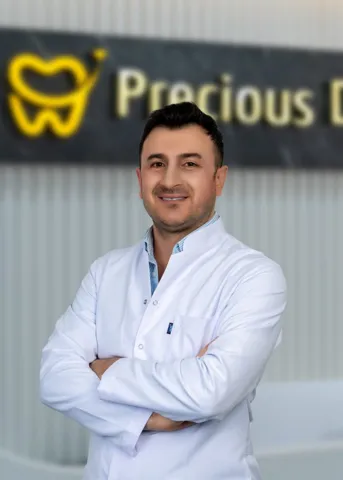 Medically reviewed by Dt. Hüseyin Yavuz Özbek, implant surgeon · Updated October 2026
A dry mouth does not usually stop All-on-6, and some people find fixed teeth more comfortable than a denture rubbing on dry gums. But saliva helps clear food and bacteria, so a dry mouth makes plaque build-up and gum inflammation around implants more likely. Causes include many common medicines, mouth breathing and conditions such as Sjögren's syndrome. Sipping water, sugar-free gum, alcohol-free mouthwash and careful daily cleaning all help.
What saliva does for implants
We rarely think about saliva until it is missing. It moistens food so you can chew and swallow, helps you speak comfortably, protects the soft lining of the mouth and constantly washes away food particles and bacteria. Around implants there is no decay to worry about, because titanium and zirconia cannot rot. But the gum and bone around implants can become inflamed if plaque sits there, and saliva is one of the mouth's natural ways of keeping plaque in check.
So a dry mouth matters for All-on-6 in three ways: comfort, especially in the healing weeks; the risk of plaque building up under the bridge; and how easy speech and eating feel with new teeth.
Why mouths become dry
The NHS lists the main causes of a dry mouth as dehydration, medicines and breathing through the mouth at night. Some conditions also cause it, most notably Sjögren's syndrome. In people over 50, the most common cause is medicines, and the more medicines someone takes, the more likely a dry mouth becomes.
- Medicines. Many common prescriptions can reduce saliva. The NHS advises checking the leaflet and not stopping a medicine without medical advice.
- Mouth breathing. A blocked nose or sleeping with the mouth open dries it overnight.
- Sjögren's syndrome. An autoimmune condition that affects the glands making saliva and tears, causing dry mouth and dry eyes.
- Radiotherapy to the head and neck. Can cause long-term dryness. See All-on-6 after cancer treatment.
- Diabetes, dehydration and some other conditions.
Implants and Sjögren's syndrome
A 2017 systematic review looked at dental implants in people with Sjögren's syndrome. It found six studies published between 1997 and 2016 and reported an average implant survival of 93.7% over a mean follow-up of about four years, with low bone loss and few biological complications reported. All the studies observed an improvement in quality of life. The evidence base is small, and the authors were cautious, but it suggests implants are a reasonable option for many people with the condition.
Sjögren's can come with other autoimmune conditions and medicines that matter for surgery. See All-on-6 with autoimmune conditions.
Dentures and dry mouth: why fixed teeth may help
A denture depends on a thin film of saliva to stay in place. In a dry mouth, it is more likely to rub, slip and cause sore spots. That is one of the reasons people with a dry mouth often struggle with dentures. A fixed bridge on implants does not rely on suction, so many people find it more comfortable. It is not a cure for dryness, but it can remove one of its most frustrating effects.
The healing weeks
After All-on-6 surgery, a dry mouth can make the stitches and gums feel more sore, and swallowing soft foods can be harder. Practical steps:
- Sip cold water often, and keep a glass by the bed.
- Choose moist, soft foods: soups, stews, fish in sauce, scrambled eggs, yoghurt. Our eating guide has more.
- Avoid alcohol, and limit caffeine and fizzy drinks, which the NHS says can make dryness worse. See drinks after surgery.
- Use the mouthwash your clinic recommends, and choose alcohol-free products afterwards.
- Use lip balm; dry, cracked lips are common after a long appointment.
Day-to-day with a dry mouth and fixed teeth
The NHS's self-help advice for a dry mouth translates well to life with All-on-6:
| NHS advice | How it applies to All-on-6 |
|---|---|
| Drink plenty of cold water; take regular sips | Rinse with water after meals to move food from under the bridge |
| Chew sugar-free gum or suck sugar-free sweets | Fine with a final bridge; avoid very sticky gum on temporary teeth |
| Brush twice a day and use alcohol-free mouthwash | Brush the bridge and clean underneath every day |
| Avoid lots of alcohol, caffeine and fizzy drinks | Also helps healing in the first weeks |
| Avoid acidic, spicy, salty or sugary food if they sting | Especially while the gum heals |
A pharmacist can suggest gels, sprays or lozenges to keep the mouth moist. If dryness continues after trying these for a few weeks, the NHS advises seeing a GP, who can look for a cause.
Cleaning matters more
With less saliva, plaque sticks more easily to the bridge and around the implants. The Oral Health Foundation notes that a build-up of plaque around an implant can cause peri-implantitis. Make the daily routine on cleaning and care non-negotiable, and keep hygiene visits regular; your dentist may suggest a shorter interval if your mouth is very dry. A water flosser can be especially helpful because it rinses as it cleans.
Watch for signs of thrush too: white patches or sore red areas, which are more common in a dry mouth. The NHS lists sore white patches among reasons to see a GP.
Speech and taste
A dry mouth can make the first weeks of speaking with a new bridge feel harder, because the tongue sticks and moves less freely. Sipping water while you practise helps. Taste can also feel different; most people find this settles. More on adapting in speaking with All-on-6.
What to tell your dentist
- How long your mouth has felt dry, and whether it is worse at night.
- All your medicines, including inhalers and eye drops.
- Any diagnosis such as Sjögren's syndrome, and the specialist who manages it.
- Any history of radiotherapy to the head or neck.
- Products you already use for dryness.
Night-time dryness
Many people notice dryness most at night or first thing in the morning. Saliva flow naturally drops during sleep, and breathing through the mouth dries it further. The NHS suggests keeping water by the bed, and notes that a blocked nose can be a cause; a pharmacist may suggest treatment for that. If you snore heavily or wake gasping, mention it to your GP, as sleep problems can be linked.
With All-on-6, a dry night can leave the underside of the bridge feeling furry in the morning. A quick rinse and clean under the bridge before breakfast helps, as does making sure you clean thoroughly last thing at night so less plaque sits there overnight.
Choosing products
- Mouthwash: alcohol-free, as the NHS recommends for dry mouth. Use what your clinic advises in the healing weeks.
- Toothpaste: a mild, low-foaming toothpaste can feel more comfortable if strong flavours sting.
- Gum and sweets: sugar-free only. Xylitol-sweetened products are widely available.
- Saliva substitutes: gels, sprays and lozenges from a pharmacy. Try a few; people's preferences differ.
- Humidifier: some people find a bedroom humidifier helps in winter, when central heating dries the air.
Dry mouth and the bridge surface
A dry mouth can make the bridge feel rougher or stickier, because there is less saliva to coat it. Food may cling more and plaque may build up faster on the underside. A water flosser used last thing at night, together with sipping water during the day, helps keep the surface cleaner. If acrylic parts of the bridge feel rough, ask your dentist to check and polish them; a smooth surface collects less plaque.
At Precious Dental we ask about dry mouth and medicines at the assessment. Ask us to show you how to clean your bridge before you go home. Why Precious Dental.
Common questions
Can I have implants if I have Sjögren's syndrome?
Often, yes. A 2017 systematic review of six studies in people with Sjögren's syndrome reported an average implant survival of 93.7% over about four years, with improved quality of life. The evidence is limited, so careful planning and maintenance matter.
Which medicines cause dry mouth?
Many do, including some medicines for blood pressure, depression, anxiety, allergies, bladder problems and pain. The NHS suggests checking the leaflet that comes with your medicine. Do not stop a prescribed medicine without advice.
Will All-on-6 be more comfortable than my denture if my mouth is dry?
Many people find it is, because a fixed bridge does not rub or slide on dry gums the way a denture can. Comfort varies, and the underside of the bridge still needs daily cleaning.
What mouthwash should I use?
The NHS suggests alcohol-free mouthwash for a dry mouth. Your dentist may recommend a specific product, particularly in the weeks after surgery.
Should I use saliva substitutes?
A pharmacist can advise on dry mouth gels and sprays. The NHS notes that not all products suit everyone and that acidic saliva products should be avoided if you still have natural teeth.
Sources
- NHS — Dry mouth
- NHS — Sjögren's syndrome
- Almeida et al. (2017), PLoS One — Dental implants in Sjögren's syndrome patients: systematic review
- Oral Health Foundation — Dry mouth
- Oral Health Foundation — Dental implants (cleaning, peri-implantitis)
Checked October 2026. Where we give our own view as a clinic, we say so.
Ask a dentist-led team, without the sales pitch.
Tell us what you're considering. A real person replies in plain English, and will tell you honestly if All-on-6 isn't the right step for you.