All-on-6 after cancer treatment
Cancer treatment can leave its mark on the mouth, and sometimes on the jawbone itself. Implants are still possible for many people, but the type of treatment you had changes the plan a great deal.
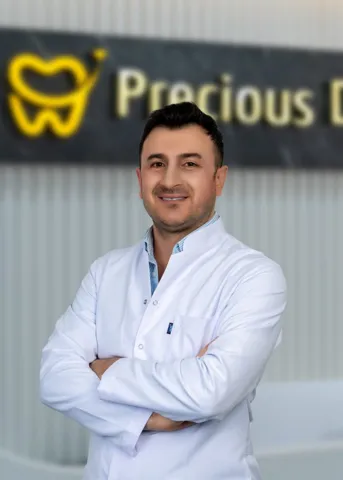 Medically reviewed by Dt. Hüseyin Yavuz Özbek, implant surgeon · Updated October 2026
It depends on the treatment. Past chemotherapy alone, once you have recovered, is usually less of a concern than radiotherapy to the head and neck, which can reduce blood supply to the jaw. A 2021 review found implant survival of about 92% in irradiated patients compared with 97% in non-irradiated patients, with osteoradionecrosis in about 3%. High-dose bone medicines given for cancer carry a high risk of jaw complications. Involve your oncology team before planning All-on-6.
Why cancer history matters to an implant surgeon
When you have been through cancer treatment, the last thing you want is another medical hurdle. But for implant planning, some cancer treatments matter a great deal and others hardly at all. Knowing which is which helps you have a clear conversation with your dentist and your oncology team.
There are three groups to think about separately: radiotherapy to the head and neck, chemotherapy and other systemic treatments, and bone-protecting medicines given as part of cancer care.
Radiotherapy to the head and neck
Radiotherapy works by damaging cancer cells, but the healthy tissues in the beam are affected too. In the mouth and jaw that can mean reduced blood supply to the bone, thinner, more fragile gums and, often, a lasting dry mouth. The NHS notes that radiotherapy to the head or neck can make the mouth sore and that a dry mouth can be a long-term problem.
Bone with a reduced blood supply heals poorly. The most feared complication is osteoradionecrosis: an area of irradiated jawbone that fails to heal after surgery and may become exposed. It is uncommon but serious, and can be difficult to treat.
What the research shows
A 2021 systematic review and meta-analysis from Bern University Hospital pooled studies of 660 patients and more than 2,600 implants, about two-thirds of them placed in people who had radiotherapy. The headline findings:
| Implant survival | Average follow-up | |
|---|---|---|
| No radiotherapy | about 97% | about 38 months |
| After radiotherapy | about 92% | about 40 months |
Osteoradionecrosis occurred in 11 cases, an incidence of about 3%. Radiation and bone grafting were the main factors affecting implant survival. The authors called osteoradionecrosis rare but serious, and stressed careful patient selection and a standardised approach. A broader 2018 review of medical conditions reached a similar conclusion: in patients with cancer, implant survival is negatively affected, mainly by radiotherapy.
In practical terms, implants can work after head and neck radiotherapy, but the odds are less favourable and the stakes are higher if something goes wrong. These cases are usually managed by hospital teams experienced in head and neck rehabilitation, and the radiation dose to the jaw, which only your oncology team can tell you, is a key part of the decision.
Chemotherapy and other systemic treatments
Chemotherapy affects fast-dividing cells throughout the body, including blood cells and the lining of the mouth. During treatment and for a while afterwards, the risk of infection and bleeding is higher and healing is slower. Once you have recovered and your blood counts are back to normal, past chemotherapy is generally less of a concern for implants than radiotherapy to the jaw.
Newer treatments, such as immunotherapy and targeted drugs, each have their own effects. Some affect healing or blood vessel growth. Your dentist will need the names of everything you have had and whether any treatment is ongoing.
Bone medicines given for cancer
People with cancer that has spread to bone, and some with myeloma, are often given high-dose bone-protecting medicines such as zoledronic acid infusions or denosumab injections. The UK medicines regulator, the MHRA, says the risk of osteonecrosis of the jaw is substantially greater for patients receiving intravenous bisphosphonates for cancer than for those taking tablets for osteoporosis, and that all patients with cancer should have a dental check-up before bisphosphonate treatment.
A 2018 review noted that patients with bone metastases receiving high-dose bone treatment carry a high risk of complications after implant surgery. For many people in this situation, implant surgery is avoided and a removable option is safer. Our article on bone medicines and osteoporosis explains medication-related osteonecrosis of the jaw in more detail.
Who should be involved
- Your oncology teamAsk for a letter summarising your diagnosis, treatment, radiotherapy fields and doses, and any ongoing medicines.
- A restorative dentistry or oral surgery teamFor people who had head and neck radiotherapy, implants are usually best planned by hospital specialists who see these cases regularly.
- Your general dentistTo keep remaining teeth and gums healthy, because infections in irradiated jaws are harder to treat.
The British Society of Periodontology notes that the NHS provides implants for a select group of high-priority patients who cannot be restored by other means after cancer treatment, trauma or developmental conditions. If you had head and neck cancer, ask your hospital team whether that applies to you before looking elsewhere.
Questions to ask
- What radiation dose did my jaw receive, and in which areas?
- Would extractions or implants in those areas be safe?
- Am I on, or have I had, any bone-protecting medicine?
- Is there a less invasive option, such as an implant-retained denture on fewer implants placed outside the radiation field, or a conventional denture?
- What follow-up will I have, and who do I contact if healing is slow?
If All-on-6 is not advisable
It can be disappointing to be told that fixed teeth carry too much risk. But a well-made denture, or an implant-retained denture placed where the bone is healthiest, can still give you comfortable, confident eating. The options are compared on All-on-6 and the alternatives, and our sister site denturesorimplants.co.uk looks at dentures in depth.
A word on travelling for treatment
If you have had head and neck radiotherapy, we would generally advise against travelling abroad for All-on-6. Close follow-up by a team that knows your history matters more than usual, and any complication needs specialist care that is best arranged near home. For other cancer histories, once you have recovered and your oncology team agrees, treatment can be planned as for anyone else.
How a plan can be adapted
When a specialist team decides implants are reasonable after cancer treatment, the plan often looks different from a standard All-on-6. Some of the adjustments you may hear about:
- Placing implants where the bone received less radiation, using the radiotherapy plan to map safer areas.
- Fewer implants, for example two to four supporting a removable denture, to keep surgery to a minimum.
- Avoiding extractions in irradiated bone where possible, or doing them with extra precautions.
- Longer healing before implants are loaded with teeth, rather than same-day teeth.
- Closer follow-up in the first months, with a clear route back to the team if healing is slow.
Some of these choices trade convenience for safety. That is usually the right trade after head and neck radiotherapy.
Looking after your mouth in the meantime
Whatever you decide about implants, keeping the remaining teeth and gums healthy protects the jaw. Infection and extractions in irradiated bone are what most often trigger problems, so prevention is worth a great deal.
- Keep regular dental check-ups and tell every dentist about your radiotherapy.
- Use the fluoride products your dental team recommends, especially if your mouth is dry.
- Report sores that do not heal within two weeks, exposed bone, or new pain or numbness in the jaw.
- Make sure any denture fits well; the MHRA notes that poorly fitting dentures are associated with a higher risk of jaw osteonecrosis in people on bone medicines.
At Precious Dental we ask about any cancer treatment before planning All-on-6. If you have had radiotherapy to the head or neck, or high-dose bone treatment for cancer, we will tell you honestly if we think specialist care at home is the better route. Why Precious Dental.
Common questions
What is osteoradionecrosis?
Damage to bone that has received radiotherapy, where an area of jawbone fails to heal and may become exposed. It is rare but serious, and can be triggered by surgery such as extractions or implant placement in irradiated bone.
I had breast or prostate cancer. Does that affect implants?
The cancer itself usually does not, but some treatments might. Bone-strengthening drugs given for cancer that has spread to bone carry a high risk of jaw complications. Tell your dentist about every treatment you have had.
How long after chemotherapy can I have implants?
There is no single rule. Dentists generally want you to have recovered, with blood counts back to normal, and your oncology team to agree. Bring a letter summarising your treatment.
Can the NHS provide implants after cancer?
The British Society of Periodontology notes that implants are available on the NHS for a select group of high-priority patients who cannot be treated by other means after cancer treatment, trauma or developmental conditions. Ask your hospital team whether you qualify.
Is a denture safer after head and neck radiotherapy?
Sometimes. A denture needs no surgery in irradiated bone, but it may rub on fragile tissues. Your specialist team can help weigh the options.
Sources
- Toneatti et al. (2021), Clin Oral Investig — Implant survival and osteoradionecrosis in irradiated head and neck cancer patients: systematic review and meta-analysis
- Schimmel et al. (2018), Clin Oral Implants Res — Effect of advanced age and systemic conditions on implant survival
- MHRA Drug Safety Update — Bisphosphonates: osteonecrosis of the jaw (higher risk with intravenous cancer treatment)
- NHS — Radiotherapy: side effects (mouth and dry mouth)
- British Society of Periodontology — Patient FAQs: dental implants (NHS implants after cancer treatment)
Checked October 2026. Where we give our own view as a clinic, we say so.
Ask a dentist-led team, without the sales pitch.
Tell us what you're considering. A real person replies in plain English, and will tell you honestly if All-on-6 isn't the right step for you.