All-on-6 with osteoporosis or bone-strengthening medicines
Osteoporosis itself rarely stops implants. The medicines used to treat it can carry a small risk to the jawbone, which your dentist needs to know about before planning surgery.
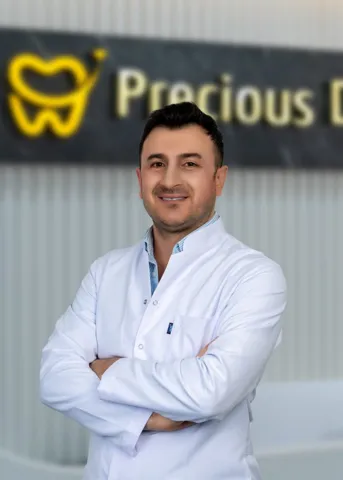 Medically reviewed by Dt. Hüseyin Yavuz Özbek, implant surgeon · Updated October 2026
Implants are a viable option for most people with osteoporosis: a 2023 review found no significant difference in implant survival compared with people without it, though bone loss around the implants was slightly greater. The main concern is medication-related osteonecrosis of the jaw (MRONJ) linked to bone drugs such as alendronic acid or denosumab. The risk is low for people taking tablets for osteoporosis and much higher for people on high-dose treatment for cancer. Tell your dentist every bone medicine you have ever taken.
Two separate questions
People often worry that “weak bones” mean implants will not hold. That is one question, and the answer is reassuring. The second question is about the medicines used to treat osteoporosis, and that one needs a careful conversation with your dentist and doctor. It helps to keep the two apart.
Question one: does osteoporosis stop implants holding?
Osteoporosis mainly affects the bones of the hips, spine and wrists, but it can affect the jaw too. The evidence suggests implants still integrate well. A 2023 systematic review and meta-analysis pooled 12 studies with more than 1,100 patients and 3,500 implants. It found no statistically significant difference in implant survival between people with and without osteoporosis. It did find slightly more bone loss around the implants in people with osteoporosis, and the authors stressed that professional follow-up is important to keep the bone stable.
An earlier review of older patients and common conditions, published in 2018, reported high implant survival in people receiving low-dose bone treatment for osteoporosis. The certainty of this evidence is described as low to very low, because most studies are observational, but the direction is consistent.
In practice, the 3D scan before treatment shows your actual jawbone, which matters more than a diagnosis on paper. Soft bone may influence the length of implants chosen, whether same-day teeth are possible and how long the surgeon waits before fitting the final bridge. See same-day teeth for why implant firmness matters.
Question two: the medicines
Several medicines used to strengthen bone, and some used in cancer care, are linked to a rare problem called medication-related osteonecrosis of the jaw (MRONJ). An area of jawbone becomes exposed in the mouth and does not heal, typically after a tooth extraction or other surgery. It can be painful and difficult to treat, which is why dentists take it seriously.
The medicines most often discussed are:
- Bisphosphonate tablets such as alendronic acid, risedronate and ibandronic acid, usually taken weekly or monthly for osteoporosis.
- Bisphosphonate infusions such as zoledronic acid, given yearly for osteoporosis or more often for cancer.
- Denosumab injections, given every six months for osteoporosis, or more frequently in cancer care.
- Some other cancer medicines that affect blood vessel growth.
The NHS page on alendronic acid says that if you are having dental implants or a tooth out while taking it, there is a very small chance of damage to your jawbone, and advises telling your dentist, who may recommend a different type of treatment.
How big is the risk?
The UK medicines regulator, the MHRA, summarised a Europe-wide review of bisphosphonates and osteonecrosis of the jaw. Its key points were that the risk with tablets for osteoporosis seems to be low; that the risk is substantially greater for people receiving intravenous bisphosphonates for cancer; and that the strength of the drug, the route it is given by and the total dose over time all affect risk. It also noted that a history of dental disease, invasive dental procedures and poorly fitting dentures is associated with higher risk.
The Scottish Dental Clinical Effectiveness Programme (SDCEP) publishes UK guidance for dentists on managing patients at risk of MRONJ, including a risk assessment flowchart. Dentists use it to place patients into lower or higher risk groups based on the drug, the reason it is prescribed and how long it has been taken.
| Situation | What it usually means for All-on-6 |
|---|---|
| Bisphosphonate tablets for osteoporosis, shorter-term, no other risk factors | Usually lower risk. Implants can often be considered after a careful discussion of the small risk. |
| Longer-term tablets, or tablets plus steroids | Higher risk. More caution, sometimes discussion with your doctor first. |
| Denosumab or yearly infusions for osteoporosis | Needs individual assessment of timing and risk. |
| High-dose bone treatment for cancer that has spread to bone | High risk. Implant surgery is often avoided; removable options are usually safer. |
This table is a simplified guide to help you understand the conversation, not a decision tool. Your dentist will assess your own risk.
Why All-on-6 needs extra thought
All-on-6 often involves removing several teeth and placing six implants in one session. That is more surgery in the jaw than a single implant, so if you are in a higher-risk group, the dentist will weigh the benefit of fixed teeth against the risk more carefully. In some cases a removable option on fewer implants, or a conventional denture, is the kinder choice. These options are set out on All-on-6 and the alternatives.
Planning choices that can lower the risk
If your risk is low and you go ahead, the surgeon still has choices that reduce the amount of trauma to the jaw. Which of these apply depends on your mouth, but it helps to know they exist so you can ask about them:
- Getting infection under control first. Infected teeth and gums raise the risk, so treating them before implant surgery helps.
- Gentle extraction technique and closing the gum over sockets where possible.
- Avoiding extra grafting where a plan with tilted implants or slightly different positions works just as well.
- Treating one jaw at a time so that each area can be watched as it heals. See full-mouth All-on-6.
- Closer follow-up in the weeks after surgery, with clear instructions on who to contact if healing seems slow.
Your dentist may also prescribe a mouthwash or other medicines around surgery. Follow their advice, and ask what to do if you are travelling home before the gum has fully healed.
What to do before your consultation
- Make a list of bone medicines, past and presentName, dose, how often, when you started and, if you stopped, when. Include injections and yearly drips, not just tablets.
- Ask your GP for a summaryA printed medicines list from your GP practice is the most reliable record.
- Do not stop anything on your ownStopping bone treatment without advice can raise your risk of fractures. Any pause should be agreed with the prescriber.
- Get any dental problems treatedInfected teeth and gum disease raise risk. The MHRA advises good oral hygiene and routine dental check-ups for people taking bisphosphonates.
After surgery: signs to report
Healing after All-on-6 normally takes a few weeks for the gum and a few months for the bone. If you take a bone medicine, report these promptly to your clinic and your GP:
- Bone visible in the mouth where the gum has not closed.
- Pain, swelling or discharge that is getting worse rather than better after the first week.
- Numbness or a heavy feeling in the jaw.
- A loose implant or a bad taste that does not go away.
Our recovery guide explains what is normal in the first weeks, and risks and complications covers other problems.
Questions to ask your dentist
- Which MRONJ risk group do you place me in, and why?
- Would you recommend fewer extractions, a staged approach or a different treatment for me?
- Do you want to speak to my GP or specialist before surgery?
- How will you follow up my healing, especially if I am travelling home?
At Precious Dental we ask about every bone medicine you have taken before planning All-on-6. If your risk is higher, we will explain the alternatives plainly, including ones that need less surgery. Why Precious Dental.
Common questions
Should I stop alendronic acid before implant surgery?
Do not stop it on your own. The NHS advises telling your dentist you take alendronic acid, as they may recommend a different type of treatment. Any change to your medicine should be decided with the doctor who prescribes it.
What is osteonecrosis of the jaw?
An area of jawbone that becomes exposed in the mouth and fails to heal. It is rare and has been linked to certain bone-strengthening and cancer medicines, particularly after extractions or other surgery in the mouth.
Does it matter if I stopped my bone medicine years ago?
It can. Some of these medicines stay in the bone for a long time. Tell your dentist about any bone medicine you have taken in the past, including how long you took it and when you stopped.
Is the risk the same for injections and tablets?
No. The UK medicines regulator says the risk is substantially greater with intravenous bisphosphonates for cancer than with tablets for osteoporosis. Denosumab and some other drugs also carry a risk, so mention every injection or infusion too.
Will osteoporosis make my implants loose later?
Studies show implant survival similar to people without osteoporosis, but slightly more bone loss around implants. Regular check-ups with X-rays help catch changes early.
Sources
- NHS — Common questions about alendronic acid (dental treatment)
- MHRA Drug Safety Update — Bisphosphonates: osteonecrosis of the jaw
- SDCEP — Oral health management of patients at risk of medication-related osteonecrosis of the jaw
- Lemos et al. (2023), Clin Oral Investig — Implants in patients with osteoporosis: systematic review with meta-analysis
- Schimmel et al. (2018), Clin Oral Implants Res — Effect of advanced age and systemic conditions on implant survival
- NHS — Osteoporosis: treatment
Checked October 2026. Where we give our own view as a clinic, we say so.
Ask a dentist-led team, without the sales pitch.
Tell us what you're considering. A real person replies in plain English, and will tell you honestly if All-on-6 isn't the right step for you.