Tea, coffee and alcohol after All-on-6 surgery
What you drink in the first days after surgery matters more than most people expect. Here is a practical guide to hot drinks, alcohol, straws and the rest, from the first evening onwards.
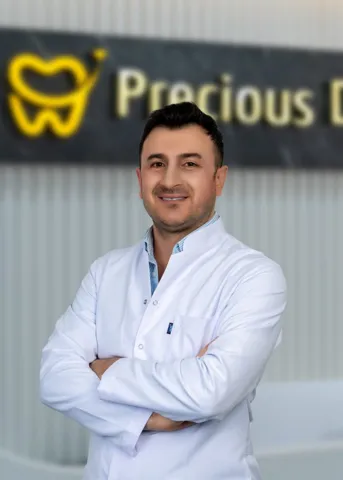 Medically reviewed by Dt. Hüseyin Yavuz Özbek, implant surgeon · Updated October 2026
In the first 24 hours after All-on-6, stick to cool or lukewarm water and soft drinks without fizz, and avoid alcohol, very hot drinks and straws, which can disturb clots and increase bleeding or swelling. Lukewarm tea and coffee are usually fine from the next day. Avoid alcohol for at least the first few days and while taking painkillers or antibiotics, and keep it modest during healing. Always follow your own clinic's instructions, which may be stricter.
Why drinks matter after surgery
After All-on-6, there are wounds in the gum where teeth were removed and where the implants went in. In the first hours, blood clots form in those wounds and protect them while they begin to heal. Anything that makes bleeding more likely, dislodges a clot or irritates fresh tissue can slow things down. Drinks affect all three: heat widens blood vessels, alcohol thins the blood slightly and irritates tissue, and sucking through a straw creates pressure in the mouth.
Your mouth will also be numb for several hours after surgery. A numb mouth cannot feel temperature properly, so a hot drink can burn without you noticing. That is the main reason most clinics say no hot drinks on day one.
The guide below reflects common advice. Your own clinic's instructions come first, especially if you have had bone grafting, a sinus lift or both jaws treated.
A timeline for drinks
| When | Usually fine | Usually avoid |
|---|---|---|
| Surgery day | Cool or room-temperature still water, sipped from a glass; cool milk; cool smoothies without seeds | Hot drinks, alcohol, straws, fizzy drinks |
| Days 2–3 | Lukewarm tea and coffee; still water; milky drinks; diluted juices | Very hot drinks, alcohol, straws |
| Days 4–7 | Warm drinks as normal temperature returns to comfortable; still and fizzy water | Alcohol if taking strong painkillers or antibiotics; large amounts of sugary drinks |
| Weeks 2–16 (healing) | Most drinks; alcohol in moderation if your clinic agrees | Heavy drinking; using drinks to “rinse” forcefully |
| After the final bridge | Everything, within normal healthy limits | Habits that harm long-term gum health, such as heavy drinking |
Water: your best friend
Staying well hydrated helps healing, keeps the mouth comfortable and helps rinse food away from the stitches. Sip regularly through the day. If your mouth feels dry, which is common after a long appointment and with some painkillers, keep water by your bed too. The NHS notes that alcohol, caffeine and fizzy drinks can make a dry mouth worse. More in dry mouth and All-on-6.
Gentle rinsing with water, or the mouthwash your clinic recommends, usually starts the day after surgery. Avoid vigorous swishing in the first days.
Tea and coffee
Tea and coffee are usually fine from the day after surgery, provided they are lukewarm. Let them cool more than you normally would. Over the following days you can gradually return to your normal temperature as swelling settles. Caffeine itself is not a problem for implants in normal amounts, though large amounts can contribute to a dry mouth.
The temporary bridge is usually acrylic, which can pick up stains from tea and coffee over the months. A quick rinse with water after each cup helps. Final zirconia teeth resist staining much better. See materials.
Alcohol
Alcohol is the drink most worth thinking about. In the first days it can increase bleeding and swelling, irritate the wounds and interact with painkillers and antibiotics. Over the longer term, heavy drinking is associated with poorer implant outcomes: the British Society of Periodontology lists heavy alcohol consumption alongside heavy smoking as situations where implants may not be appropriate.
- First few days: avoid alcohol completely.
- While on antibiotics or strong painkillers: check the leaflet and your clinic's advice; many should not be combined with alcohol.
- During healing: keep it moderate. The UK guideline is not to regularly drink more than 14 units a week, spread over several days.
- Mouthwashes: choose alcohol-free products while healing.
If you are recovering abroad in a holiday setting, the temptation is real. A glass of wine at dinner in the second week is very different from a celebratory evening on day two.
Straws
Most clinics advise avoiding straws for the first days. Sucking creates negative pressure in the mouth, which can disturb clots and restart bleeding, especially in extraction sites. If you have had a sinus lift, your clinic may also advise against anything that creates pressure, such as blowing your nose hard. Drink from a glass or cup instead.
Fizzy, sugary and acidic drinks
Fizzy drinks do not damage implants, but in the first day or two the bubbles can sting fresh wounds. Sugary and acidic drinks, such as cola, energy drinks and fruit juices, feed plaque bacteria and can irritate healing gums. If you still have some natural teeth, they are also a risk for decay and erosion. Diluted juice, milk and water are kinder choices while you heal.
Smoothies and nutritious drinks
In the soft-food weeks, smoothies and milky drinks are a useful way to get nutrition. Make them cool rather than icy at first, avoid small seeds (such as raspberries or strawberries with seeds) that can lodge in wounds, and drink them from a glass rather than through a straw. Adding yoghurt, milk, oats or protein powder makes them more filling. Our eating guide has more ideas for each stage.
If you have diabetes
Drinks are an easy way to keep blood sugar stable when eating is difficult, but sugary drinks can also push it up quickly. Plan with your diabetes team, and see All-on-6 with diabetes.
Signs to contact your clinic
- Bleeding that restarts and does not slow with 20 minutes of firm pressure on damp gauze.
- Swelling that is getting worse after day three.
- A bad taste, discharge or a temperature.
- Severe pain that painkillers are not controlling.
Our recovery guide explains what is normal and what is not.
Looking further ahead
Once the final bridge is fitted and healing is complete, there are no special rules about drinks. The habits that protect implants long term are the same as for natural teeth and general health: plenty of water, limited sugar and moderate alcohol. And if you notice food or drink residue collecting under the bridge, rinsing after meals and cleaning daily keeps it under control; see cleaning and care.
Medicines and drinks
After surgery you may be taking painkillers, antibiotics or a prescribed mouthwash. Read the leaflet for each one. Some antibiotics should not be taken with alcohol at all, and some painkillers are best taken with food or a milky drink to protect the stomach. If you take paracetamol, be careful not to take it in more than one form, as many cold and flu drinks also contain it. If you have a question about combining a medicine with anything you drink, a pharmacist can help.
If you are travelling
Recovering in a hotel abroad brings a few extra considerations. Use bottled or safe drinking water for rinsing if the tap water is not suitable for drinking. Hot climates make dehydration more likely, especially if you are eating less, so drink more water than usual. And holiday surroundings can make the occasional drink feel normal; on the days just after surgery, it is best avoided. Our sister guide allon6turkey.co.uk covers recovery when you are away from home.
Drinks and the temporary bridge
The temporary bridge is usually made of acrylic, which can absorb colour from tea, coffee, red wine and some fruit juices over the months of healing. It is not harmful, and the final bridge is made fresh. Rinsing with water after coloured drinks keeps the temporary looking better until then.
At Precious Dental ask us about anything in your aftercare that is unclear, including what to eat and drink in the first days. We would rather answer a question than have you guess. Why Precious Dental.
Common questions
When can I drink hot tea after All-on-6?
Most clinics advise avoiding hot drinks on the day of surgery, while your mouth is numb and the wounds are fresh. Lukewarm tea is usually fine from the next day, building up to hot drinks over the following days as swelling settles.
Can I use a straw after implant surgery?
Most clinics advise avoiding straws for the first days, because sucking creates pressure in the mouth that can disturb healing and start bleeding again.
When can I drink alcohol after All-on-6?
Avoid alcohol for at least the first few days, and while you are taking strong painkillers or antibiotics. After that, keep it moderate during healing. Your clinic may give you a specific timeframe.
Is fizzy water OK?
Still water is best in the first day or two. Fizzy drinks are not harmful to implants, but sugary and acidic ones are not good for healing gums or any natural teeth you still have.
Will coffee stain my new teeth?
Zirconia final teeth resist staining well. Acrylic temporary teeth can pick up stains from tea, coffee and red wine over time. Rinsing with water after drinking helps.
Sources
- Oral Health Foundation — Dental implants (healing)
- NHS — Dry mouth (alcohol, caffeine and fizzy drinks can make it worse)
- NHS — Calculating alcohol units (14 units a week guideline)
- British Society of Periodontology — Patient FAQs: dental implants (heavy alcohol use and implants)
Checked October 2026. Where we give our own view as a clinic, we say so.
Ask a dentist-led team, without the sales pitch.
Tell us what you're considering. A real person replies in plain English, and will tell you honestly if All-on-6 isn't the right step for you.