Can you have All-on-6 if you have diabetes?
Diabetes does not rule out All-on-6, but it changes the odds a little and makes good control and maintenance more important. Here is what the evidence says and how to prepare.
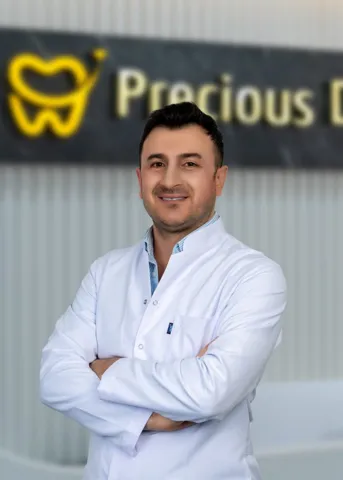 Medically reviewed by Dt. Hüseyin Yavuz Özbek, implant surgeon · Updated October 2026
Many people with diabetes have successful implants. A 2022 review of 89 studies found implants in people with diabetes had a higher failure risk than in people without (odds ratio 1.78), with more failures in type 1 than type 2 and slightly more bone loss around the implants over time. Well-controlled blood sugar, not smoking, careful cleaning and regular maintenance all reduce the risk.
The short version for busy readers
If you have diabetes and are thinking about All-on-6, three things matter most: how well your blood sugar has been controlled over the last few months, whether you smoke, and whether you can keep up with cleaning and check-ups for the long term. Diabetes on its own is rarely the reason someone cannot have implants. Poor control, combined with other risks, is what makes surgeons cautious.
The rest of this article explains why, what the research actually shows, and how to prepare so that your treatment has the best chance of lasting.
Why diabetes matters for implants
An implant works because bone grows tightly against its surface over the weeks and months after surgery. That process, called osseointegration, depends on good blood supply, normal inflammation and healthy bone turnover. Persistently high blood sugar can slow wound healing, make infections more likely and affect how bone remodels. It also makes the gums more prone to inflammation, which is why diabetes and gum disease are so often found together.
The NHS lists gum disease among the problems that can be linked to diabetes, and many people lose teeth through gum disease in the first place. If that is your story, read our article on All-on-6 after gum disease as well, because the two risks add up.
What the research shows
The largest recent analysis we know of is a 2022 systematic review and meta-analysis from Malmö University. It pooled 89 publications covering more than 5,500 implants in people with diabetes and more than 62,000 in people without. Its main findings were:
- Higher failure risk. Implants in people with diabetes had a higher chance of failing, with an odds ratio of about 1.78. The authors expressed this as a 77.7% higher risk of failure than in people without diabetes. That is a relative figure: if failure is uncommon to begin with, a higher relative risk still leaves most implants working.
- Type 1 more than type 2. Failures were more likely in type 1 than in type 2 diabetes.
- Upper jaw more than lower. The difference between people with and without diabetes was statistically significant in the upper jaw but not in the lower jaw.
- A little more bone loss. The bone level around implants dropped slightly more in people with diabetes, and the gap grew slowly with longer follow-up.
A separate 2018 review, which looked at older patients and common medical conditions, reported high implant survival in people with type 2 diabetes. Put together, the message is fairly consistent: diabetes adds some risk, especially if control is poor, but it does not stop implants working for most people.
There are limits to this evidence. Studies define “controlled” diabetes differently, many do not report HbA1c levels, and full-arch bridges like All-on-6 are only part of the picture. Your dentist should interpret these figures in the light of your own health.
Control matters more than the label
When a surgeon asks about your diabetes, the most useful answer is not “type 2” but how stable it has been. That is usually shown by your HbA1c, a blood test that reflects your average blood sugar over the previous two to three months. There is no single HbA1c value that every surgeon uses as a cut-off, but higher values mean a higher risk of slow healing and infection, and many surgeons will ask you to work on control before major surgery.
If you are not sure of your latest result, ask your GP practice or diabetes nurse. It is worth bringing a printout or a screenshot to your consultation. Mention any complications too, such as kidney problems, eye disease or reduced feeling in your feet, because these say something about how long diabetes has affected your circulation.
Preparing for All-on-6 with diabetes
- Talk to your diabetes team earlyTell them you are planning implant surgery and ask whether anything should be adjusted beforehand. Never change your medicines on your own.
- Get the mouth healthy firstGum disease around remaining teeth should be treated before implants. The British Society of Periodontology is clear that active disease must be controlled first.
- Stop smoking if you smokeSmoking and diabetes together carry more risk than either alone. See smoking, vaping and All-on-6.
- Plan meals for surgery dayYou may not feel like eating, and you will be on soft foods for weeks. Plan how you will keep your blood sugar steady with the foods in our eating guide.
- Bring your kitIf you are travelling, take your glucose meter or sensor, enough medicine for the trip plus extra, and a letter listing your medicines.
On the day and in the first weeks
Tell the team your medicines and when you last ate before the anaesthetic. Long appointments can upset meal routines, so bring something suitable in case you need it, and tell the dentist straight away if you feel your blood sugar dropping.
In the first days after surgery, eating is harder and you may eat less. Check your levels more often than usual and follow your diabetes team's advice for days when you eat less. Swelling and soreness are normal; a temperature, spreading redness or pus are not, and need prompt advice. Our recovery guide explains what is normal.
Looking after implants for years
The bigger long-term risk is not that an implant fails to heal, but that the gum and bone around it become inflamed years later. This is called peri-implantitis. A large 2025 systematic review summarised by the British Society of Periodontology found that diabetes, smoking and a history of gum disease were the main risk factors. Its practical advice was that these patients need closer recalls and more support with maintenance.
- Clean under the bridge every day with interdental brushes or a water flosser, as shown on cleaning and care.
- Keep hygiene visits regular. Your dentist may suggest more frequent visits than for someone without diabetes. See hygienist visits with All-on-6.
- Watch for warning signs: bleeding when you clean, swelling, a bad taste, or the gum looking red around an implant. Read peri-implantitis explained.
- Keep your diabetes check-ups. Good control protects your implants as well as your eyes, kidneys and heart.
When another option might be better
If diabetes is poorly controlled and cannot be improved, or if other health problems make long surgery a strain, a removable option such as an implant-retained denture on fewer implants, or a well-made conventional denture, may be a safer route. These are compared on All-on-6 and the alternatives. A good dentist will discuss them with you rather than push the bigger treatment.
Questions to ask your dentist
- Given my HbA1c and medicines, do you see any reason to delay surgery?
- Would you treat both jaws in one appointment, or split them?
- What should I do about my diabetes medicines on surgery day? (Ask your diabetes team as well.)
- How often should I have hygiene visits afterwards?
- What signs should make me contact you straight away?
At Precious Dental we ask about diabetes control before planning All-on-6 and may ask for a recent HbA1c result. If we think your control needs to improve first, we will say so. Why we think we're the right clinic for All-on-6.
Common questions
Is there a blood sugar level that rules out All-on-6?
There is no single cut-off used everywhere. Dentists look at how well controlled your diabetes is over recent months, usually through your HbA1c result, and at your general health. Poorly controlled diabetes is a reason to improve control first rather than an automatic no.
Is type 1 diabetes riskier than type 2 for implants?
In the 2022 review of 89 studies, implant failure was more likely in type 1 than type 2 diabetes. That does not mean people with type 1 cannot have implants, but planning and follow-up should be especially careful.
Will I need antibiotics because I have diabetes?
Your dentist decides this for you based on your health and the surgery planned. Do not take leftover antibiotics on your own; follow the instructions you are given.
What should I bring to my consultation?
A list of your medicines and doses, your most recent HbA1c result if you have it, any letters about complications such as kidney or eye problems, and the name of the clinic or GP who manages your diabetes.
Does diabetes affect the gums around implants later on?
It can. Diabetes is one of the risk factors for peri-implantitis, inflammation that damages the bone around implants, alongside smoking and a history of gum disease. Regular hygiene visits matter more for you.
Sources
- Al Ansari, Shahwan & Chrcanovic (2022), Materials — Diabetes mellitus and dental implants: systematic review and meta-analysis
- Schimmel et al. (2018), Clin Oral Implants Res — Effect of advanced age and systemic conditions on implant survival
- British Society of Periodontology — Research Corner: risk factors for peri-implant diseases (AO/AAP systematic review)
- NHS — Type 2 diabetes
- NHS — Gum disease
Checked October 2026. Where we give our own view as a clinic, we say so.
Ask a dentist-led team, without the sales pitch.
Tell us what you're considering. A real person replies in plain English, and will tell you honestly if All-on-6 isn't the right step for you.