What happens at an All-on-6 maintenance visit
Professional maintenance is what keeps All-on-6 working for years. Here is what a visit involves, how often to go, and what to ask if your hygienist has not looked after an implant bridge before.
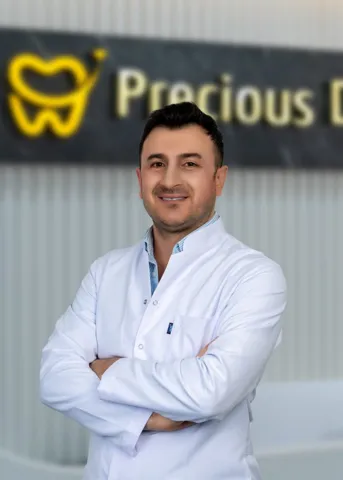 Medically reviewed by Dt. Hüseyin Yavuz Özbek, implant surgeon · Updated October 2026
A maintenance visit for All-on-6 usually includes checking the gum around each implant, looking for bleeding or deep pockets, cleaning the bridge and around the implants with instruments safe for implants, checking the bite and screws, and taking X-rays when advised. Periodically the bridge is unscrewed so the implants and underside can be cleaned thoroughly. The British Society of Periodontology says implants require regular monitoring, diligent self-care and professional maintenance.
Why maintenance is part of the treatment
The British Society of Periodontology is clear that implants require regular monitoring by a clinician, a diligent self-care routine and professional maintenance. The Oral Health Foundation advises attending regular dental and hygiene appointments to check that implants stay healthy. With All-on-6, home cleaning reaches most surfaces, but the areas right under the bridge and around each implant are hard to see and easy to miss. Professional visits fill the gaps and catch problems early.
What happens at a typical visit
- QuestionsAny bleeding, soreness, looseness, changes in bite, or difficulties cleaning? Any new medicines or health changes?
- Looking and probingThe gum around each implant is checked for redness, swelling and bleeding, and the depth of the space between gum and implant may be measured gently.
- Checking the bridgeChips, wear, cracks, loose screws and the seals over screw holes. Your bite is checked for heavy spots.
- CleaningPlaque and hardened deposits are removed from the bridge and around the implants, using instruments and polishing methods suitable for implant surfaces.
- X-rays when advisedTo compare bone levels with earlier images and spot changes before you would notice them.
- CoachingThe hygienist may watch you clean, suggest a different brush size or show you a better angle.
When the bridge comes off
The British Society of Periodontology notes that fixed prostheses occasionally need to be removed for professional cleaning. With a screw-retained All-on-6, the dentist removes the fillings over the screws, unscrews the bridge and lifts it out. That allows:
- a thorough clean of each implant and abutment,
- a close look at the gum around every implant,
- cleaning and polishing of the underside of the bridge,
- checking and, if needed, replacing screws,
- small repairs to the bridge.
The bridge is then refitted, the screws tightened to the correct force, and the access holes sealed. It usually takes one longer appointment. How often it is needed depends on how clean you keep it and how healthy the gums are. More on how the bridge is fixed in screw-retained bridges explained.
How often to go
There is no single interval for everyone. A 2025 systematic review summarised by the British Society of Periodontology concluded that patients with smoking habits, diabetes or a strong periodontitis history need greater support and closer recalls. A typical approach:
| Situation | Typical approach |
|---|---|
| First year after the final bridge | More frequent visits to establish a baseline and check your routine |
| Low risk, cleaning well | Regular visits at an interval your dentist sets |
| History of gum disease, smoking or diabetes | Shorter intervals between visits |
| Signs of inflammation | Extra visits until it settles |
If you were treated abroad
Many people have All-on-6 in another country and maintenance at home. That works well with preparation:
- Bring your implant passport with the brand, type and size of each implant and the abutments used.
- Bring copies of your X-rays and scans, especially those taken when the final bridge was fitted.
- Find a UK dentist before you need one. Ask whether they are comfortable maintaining full-arch implant bridges and whether they have the tools for your system.
- Plan for costs. Implant maintenance is usually charged privately in the UK; NHS charges are on the NHS website. Our sister guide allon6cost.co.uk covers lifetime costs.
Aftercare back home is covered from the travel side by our sister guide allon6turkey.co.uk.
What to tell your hygienist
- Any bleeding, swelling or bad taste since the last visit.
- Which cleaning tools you use and any you find hard.
- If you grind your teeth, and whether you wear a night guard. See teeth grinding.
- Changes in health or medicines, especially diabetes, smoking or new medicines that dry the mouth.
Between visits
The routine at home matters most: brushing twice a day and cleaning under the bridge and around each implant daily, as set out on cleaning and care. If you notice warning signs, don't wait for your next appointment; see peri-implantitis explained.
The first year: building a baseline
The first year after the final bridge is fitted sets the pattern for everything after it. A sensible first year usually includes a check a few weeks after fitting, to look at the bite and how you are managing to clean, and X-rays at an early stage so later images have something to be compared with. Bone levels around implants often settle slightly in the first year after loading; what matters is that they then stay stable. Without an early X-ray, it is hard to tell later whether a change is new.
It is also the year in which habits form. If the hygienist finds plaque in the same places each time, that is useful information: it may mean a different brush size, a different angle, or a change to the shape of the bridge. Bring the tools you use at home to the appointment so the hygienist can see them and check they suit your bridge.
What good maintenance feels like
A good maintenance visit should leave you with three things: a clean bridge, a clear picture of how your implants are doing, and specific advice on what to do differently, if anything. It is reasonable to ask at each visit:
- Did you see any bleeding or inflammation, and around which implants?
- How do the bone levels compare with my last X-rays?
- Are the screws and the bite still as they should be?
- Is there anywhere I am missing when I clean?
- When should I come back, and when should the bridge next be removed?
Keep a simple record of the dates of your visits and what was found. If you were treated abroad, this record also helps the original clinic if you ever need to use your guarantee, since guarantees often depend on regular check-ups.
Products the hygienist may suggest
Beyond your toothbrush, the hygienist may recommend interdental brushes in specific sizes for each gap under the bridge, a water flosser, super floss, a single-tufted brush for the area around each implant, or a particular toothpaste or mouthwash. Abrasive whitening toothpastes are often discouraged, because they can dull the polish on acrylic and some bridge surfaces over time. If something you are given is hard to use, say so at the next visit; there is usually an alternative that works better for your hands and your bridge.
If you can't get to a hygienist easily
Some people live far from a dentist familiar with implant bridges, or find appointments hard to reach. Plan this before treatment rather than after. Ask the clinic that places your implants how often they recommend maintenance and who they would suggest near you. Many general dentists and hygienists in the UK maintain implants regularly; if a practice is not confident with full-arch bridges, they may still be able to do routine checks and cleaning, and refer you for bridge removal when it is needed.
Questions to bring
Write down anything you have noticed since your last visit, even if it seems minor: a spot where food collects, a tender area, a tooth that feels different. Small observations help the hygienist focus where it matters.
At Precious Dental you leave with an implant passport and copies of your X-rays and scans, so a dentist at home can maintain your All-on-6. Why Precious Dental.
Common questions
How often should I have a maintenance visit?
Your dentist sets the interval based on your risk. Many people are seen every few months; those with a gum disease history, smokers and people with diabetes are often seen more often.
Does the hygienist need special tools for implants?
Instruments made of materials that will not scratch titanium are commonly used around implants, along with polishing pastes and air or water devices suitable for implant surfaces.
How often is the bridge taken off?
It depends on how well you clean and how healthy the gums are. Some people need it removed for a deep clean periodically, others less often. Your dentist will advise.
Can my NHS dentist look after my All-on-6?
Many UK dentists can check and clean around implants. Removing and refitting the bridge needs the right tools for your implant system, so bring your implant passport. Implant maintenance is usually charged privately.
Will it hurt?
Usually not. Cleaning around inflamed gum can be a little uncomfortable; local anaesthetic can be used if needed.
Sources
- British Society of Periodontology — Patient FAQs: dental implants (monitoring, professional maintenance, removal for cleaning)
- British Society of Periodontology — Research Corner: peri-implant disease risk factors and maintenance
- Oral Health Foundation — Dental implants (regular dental and hygiene appointments)
- NHS — How much NHS dental treatment costs
Checked October 2026. Where we give our own view as a clinic, we say so.
Ask a dentist-led team, without the sales pitch.
Tell us what you're considering. A real person replies in plain English, and will tell you honestly if All-on-6 isn't the right step for you.