Can you be allergic to titanium implants?
People with metal allergies sometimes worry about titanium. True titanium hypersensitivity appears to be rare, and the evidence is thin. Here is what is known, and what you can do if you are concerned.
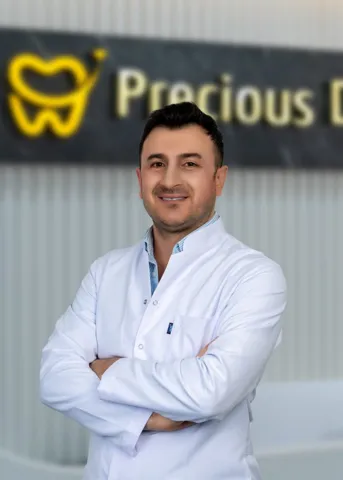 Medically reviewed by Dt. Hüseyin Yavuz Özbek, implant surgeon · Updated October 2026
Titanium hypersensitivity around dental implants seems to be rare. A 2013 systematic review concluded that titanium as a cause of allergic reactions in implant patients remained unproven, and a 2026 review found only 21 patients in nine studies, describing it as rare but clinically relevant. Allergy to nickel, the most common metal allergy, is different from titanium allergy. If you have strong concerns, talk to your dentist and GP; zirconia implants are an alternative, though with less long-term evidence for full-arch bridges.
Why people ask
Many people know they react to certain metals: earrings that turn the earlobes red, a watch strap that leaves a rash, or a jeans button that itches. So it is natural to wonder whether six titanium implants and a titanium framework could cause trouble. This article explains what the research says, how worried you need to be, and what to do if you are concerned.
What implants are made of
The British Society of Periodontology describes dental implants as a screw or post usually made from titanium, though they can also be ceramic. Titanium has been used in dental implants for decades because bone grows tightly against its surface. Implants are usually made from commercially pure titanium or titanium alloys. The parts above the gum, such as abutments, screws and the framework of an All-on-6 bridge, are also often titanium or titanium alloy. The teeth themselves are usually zirconia, a ceramic, or acrylic. More on All-on-6 materials.
What the research shows
The evidence on titanium allergy is limited, mostly small studies and individual case reports, which itself tells you something about how uncommon it is.
- 2013 systematic review. Researchers found seven studies on titanium sensitivity in implant patients. Some reported skin inflammation and gum overgrowth, while others found titanium well tolerated. Their conclusion was that the significance of titanium as a cause of allergic reactions in patients with dental implants remained unproven.
- 2026 systematic review. A newer review screened more than 1,700 studies and found nine that met its criteria: one prospective study and eight case reports, covering 21 patients and 33 implants. Twenty implants were considered cases of titanium hypersensitivity. Seventeen were removed and three were managed by replacing the abutment. The authors described titanium hypersensitivity as rare but clinically relevant, and called for better diagnostic tests.
Put simply: it can happen, it seems to be rare, and it is hard to diagnose with certainty.
Nickel allergy is not titanium allergy
The most common metal allergy is to nickel, found in a lot of costume jewellery, belt buckles and some coins. Having a nickel allergy does not mean you will react to titanium. If you know you react to nickel, cobalt or chromium, tell your dentist anyway, because some dental alloys and components can contain small amounts of other metals, and they can choose parts with that in mind.
Why it is hard to diagnose
The signs that have been linked to titanium sensitivity, such as red or swollen gum around an implant, gum overgrowth, or an implant that fails without a clear reason, are much more often caused by something else: plaque and inflammation, a bridge that is hard to clean, overload from grinding, or a poor fit. A good dentist will look for those common causes first. See peri-implantitis explained and teeth grinding.
Allergy tests exist, including skin patch tests and blood tests that measure how immune cells respond to metals. Both reviews point out that these tests are not standardised for titanium and their results can be difficult to interpret. A negative test does not guarantee you will never react, and a positive one does not always mean an implant will cause problems.
If you are worried before treatment
- Tell your dentist about any allergiesInclude metals, and any reactions to previous dental work, joint replacements or piercings.
- Speak to your GPIf you have had significant reactions to metals, ask whether a referral to a dermatologist or allergy specialist would be useful before you commit to treatment.
- Ask which materials will be usedImplants, abutments, screws, framework and teeth. You are entitled to know exactly what will be in your mouth.
- Discuss alternativesIf the risk worries you, ask about metal-free options and what the trade-offs are.
The alternatives
| Option | What it avoids | Trade-offs |
|---|---|---|
| Zirconia (ceramic) implants | Metal in the implant itself | Less long-term evidence, especially for full-arch bridges; fewer component options; not every surgeon uses them |
| Metal-free framework | Titanium in the bar | Depends on design; ask about strength and repair |
| Conventional denture | Any implant surgery | Less stable; covers the palate in the upper jaw |
Zirconia teeth on a full-arch bridge are well studied: a 2017 review found a very low short-term failure rate, though minor chipping of layered porcelain was common. Zirconia as the implant itself is a different matter, with a smaller evidence base for All-on-6-style treatment.
If you develop symptoms after treatment
Contact your dentist if you notice persistent redness, swelling or overgrowth of the gum around implants, or new skin problems that began after treatment and do not settle. Your dentist will check for infection, cleaning problems and the fit of the bridge first. If those are ruled out and a reaction seems possible, they may involve a specialist. In the reported cases, some were managed by changing components rather than removing implants.
Keeping it in proportion
Titanium has a long track record in implant dentistry, and most people who worry about metal allergy have successful titanium implants. The far bigger risks to an All-on-6 bridge are smoking, poor cleaning, grinding and uncontrolled diabetes. Those are covered in the rest of this blog, starting with risks and complications.
What a reaction is not
Many things that worry people after implant surgery are not allergies. Swelling and bruising in the first week are the body's normal response to surgery. A metallic taste in the first days can come from medicines or from bleeding. Soreness where the bridge meets the gum can come from pressure while the gum heals. Redness and bleeding around an implant months later are most often signs of plaque-related inflammation. Each of these has its own explanation and treatment, and none of them on their own suggests titanium allergy. If in doubt, ask your dentist to look; they will usually start with the common causes.
Titanium in the rest of medicine
Titanium and its alloys are used widely across medicine, in hip and knee replacements, plates and screws for broken bones, and heart devices, partly because they are generally well tolerated by the body. If you already have a titanium implant elsewhere without problems, mention it to your dentist; it is reassuring information. Equally, if you have had a reaction to a metal implant elsewhere, that is important history to share before planning dental implants.
Other materials in the bridge
An All-on-6 bridge contains more than titanium. Zirconia teeth, acrylic, the material that seals the screw holes and, in some designs, other dental alloys may all be present. People with known allergies to acrylics or specific dental materials should mention them, because alternatives usually exist. Ask for a written list of the materials in your final bridge; a good clinic will be happy to provide it.
Weighing it up
For most people, the very small chance of titanium sensitivity is far outweighed by the long track record of titanium implants. For a small number with a strong history of metal reactions, a careful conversation, possibly a specialist referral and a look at ceramic options make sense. What should not happen is either dismissing your concern without discussion or recommending expensive tests and alternatives without good reason.
At Precious Dental we use MegaGen, Neodent or Straumann implants and write the brand and materials in your treatment plan. If you have a metal allergy, tell us at the assessment so we can discuss it before planning. Why Precious Dental.
Common questions
I'm allergic to nickel in jewellery. Will I react to titanium implants?
Nickel allergy is common; titanium allergy appears to be rare. Medical-grade titanium and titanium alloys used for implants are different from cheap jewellery metals. Tell your dentist about any metal allergy so they can choose components carefully.
Can I be tested for titanium allergy before treatment?
Tests exist, such as patch tests and blood tests, but reviews note that they are not standardised and their reliability for titanium is uncertain. Discuss with your GP or a dermatologist whether testing would help in your case.
What are the signs of a reaction to an implant?
Reported signs include persistent redness, swelling or overgrowth of the gum around an implant, and sometimes skin rashes elsewhere. These signs can also be caused by infection or poor fit, which are far more common.
Are zirconia implants better?
Zirconia implants are metal-free and an option for people who want to avoid titanium. They have less long-term evidence, especially for full-arch bridges, and fewer component options. Discuss the trade-offs with your dentist.
Is the All-on-6 bar made of titanium too?
Often the framework that carries the teeth is titanium, and the teeth are zirconia or acrylic. Metal-free designs exist. Ask exactly which materials will be in your mouth.
Sources
- Javed et al. (2013), Clin Implant Dent Relat Res — Is titanium sensitivity associated with allergic reactions in patients with dental implants? Systematic review
- Restelli et al. (2026), J Prosthodont Res — Titanium hypersensitivity in dental implants: systematic review of clinical evidence and diagnostic strategies
- British Society of Periodontology — Patient FAQs: dental implants (titanium or ceramic implants)
- Bidra et al. (2017), Eur J Oral Implantol — Clinical outcomes of full-arch fixed implant-supported zirconia prostheses
Checked October 2026. Where we give our own view as a clinic, we say so.
Ask a dentist-led team, without the sales pitch.
Tell us what you're considering. A real person replies in plain English, and will tell you honestly if All-on-6 isn't the right step for you.