Exercise, sport and swimming after All-on-6
Staying active is good for you, and you won't need to stop for long. But in the first days, rest helps the implants and gums settle. Here is a practical timeline.
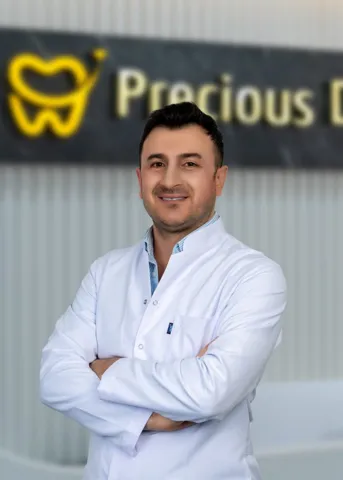 Medically reviewed by Dt. Hüseyin Yavuz Özbek, implant surgeon · Updated October 2026
Rest on the day of surgery and for the next day or two. Gentle walking is usually fine within a few days. Most people can return to light exercise after about a week and to more strenuous exercise after one to two weeks, once swelling and bleeding have settled. Avoid swimming until wounds have closed. Contact sports need a custom mouthguard and your dentist's agreement. Your clinic's advice comes first, especially after grafting or sinus lifts.
Why a short pause helps
All-on-6 surgery involves several small wounds in the gum and bone. In the first hours and days, blood clots form and the tissues begin to heal. Hard exercise raises your heart rate and blood pressure, which can restart bleeding, increase swelling and make you throb. A few days of rest is a small price for a smoother recovery.
The British Society of Periodontology compares implant surgery to a tooth extraction, with initial healing expected within a few days. The bone takes much longer, typically months, to bond fully with the implants, but that deeper healing is not disturbed by normal activity. What matters for exercise is the first week or two.
A practical timeline
| When | Usually fine | Usually avoid |
|---|---|---|
| Surgery day | Rest, with your head raised; short trips around the house | Any exercise, bending, lifting |
| Days 2–3 | Gentle walking indoors or in the garden | Gym, running, swimming, heavy lifting |
| Days 4–7 | Short, easy walks outside; light stretching | Anything that makes you breathless or strains |
| Weeks 2–3 | Light gym work, cycling, longer walks, golf, gentle swimming if wounds have closed and your clinic agrees | Contact sports, heavy weights, high-intensity classes |
| Week 3 onwards | Gradual return to your normal routine | Contact sports without a mouthguard and your dentist's agreement |
These are typical times. If you have had bone grafts, a sinus lift or both jaws treated, or if you have medical conditions, your clinic may advise longer. Listen to your body: if exercise brings back throbbing or bleeding, stop and rest.
Walking: the best first step
Walking is the ideal way back. It keeps your circulation going, helps you feel better and is unlikely to raise your blood pressure much. Start with a few minutes and build up. If you are recovering away from home, a gentle stroll in the evening is a good way to get out of the hotel room without overdoing it.
If you have travelled for treatment, walking also helps circulation after flights. Our sister guide allon6turkey.co.uk covers flying after surgery.
The gym and running
Weights, running and high-intensity classes are the activities most likely to raise blood pressure and cause straining. Wait until bleeding and swelling have settled, usually one to two weeks, and start at a lower intensity than usual. Avoid holding your breath and straining when lifting; breathe steadily. If you clench your teeth when lifting, which many people do without noticing, be especially careful during healing, because clenching puts force on the new implants. See teeth grinding and clenching.
Swimming
Wait until the wounds in your mouth have closed and your clinic has agreed, usually at least a week or two. Swimming pools and the sea carry bacteria, and open wounds are an entry point for infection. Swimming can also be more strenuous than it feels. If you have had a sinus lift, ask specifically about diving and putting your head under water, as pressure changes can matter while the sinus heals.
Golf, bowls, cycling and gardening
Lower-intensity activities are usually fine from the second week if you feel well. A few sensible precautions:
- Take water and stay hydrated.
- Avoid biting down on anything hard, such as a pencil, tee or garden twine, while the implants heal.
- Wear a hat and sunscreen; swelling and bruising can be more sensitive to sun.
- Bending to garden can make your face throb in the first week. Do it in short spells.
Contact and ball sports
Football, rugby, martial arts, hockey and cricket all carry a risk of a blow to the face. A knock to a healing implant bridge can damage the bridge or the implants. Wait until your dentist agrees you are fully healed, which may be after the final bridge is fitted, and wear a custom-made mouthguard designed for your bridge. Off-the-shelf boil-and-bite guards are not designed for implant bridges.
Exercise and older age
The NHS recommends that adults, including older adults, do some physical activity every day and build up to at least 150 minutes of moderate activity a week, plus activities that strengthen muscles and improve balance. A week or two of reduced activity after surgery will not undo that, and getting back to your routine helps your general recovery. If you have balance problems or take medicines that make you drowsy, take extra care in the first days, as painkillers can add to dizziness.
Signs to stop and rest
- Bleeding restarts during or after exercise.
- Swelling or throbbing increases.
- You feel faint, dizzy or unusually tired.
- The temporary bridge feels loose or has been knocked.
If bleeding does not slow with 20 minutes of firm pressure, contact your clinic. Our recovery guide explains what is normal.
Food and energy
Exercise burns energy, and the soft-food phase makes it easier to under-eat. If you are getting back to sport during healing, make sure you are eating enough protein and calories. Smoothies, eggs, fish, lentils and yoghurt are all easy on healing gums; see eating after All-on-6 and drinks after surgery.
If you have travelled for treatment
Many people have All-on-6 away from home, and the days after surgery may be spent in a hotel. That can be a good place to rest, but it also brings temptations: a pool, a gym, long walks to see a new city. A sensible plan is to treat the first few days as rest days, then short gentle walks, saving swimming and anything strenuous for after your clinic has checked you. If you are flying home soon after surgery, staying mobile on the flight and keeping hydrated matter for general health. Our sister guide allon6turkey.co.uk covers planning the trip around recovery.
Medicines and exercise
Painkillers, antibiotics and, if you had sedation, its after-effects can all make you feel more tired or light-headed than usual. Don't drive or exercise on the day of surgery, and take it slowly for the first day or two after sedation. If you take blood pressure medicines, standing up quickly after lying down can make you dizzy, especially when you are also eating and drinking less. Get up slowly and stay hydrated. See drinks after surgery.
Sleep and rest
Rest is not just the absence of exercise. Sleeping with your head raised on an extra pillow for the first nights can reduce swelling. Short naps are fine. If you are someone who normally exercises to manage stress or sleep, a few days of gentle walking and relaxation techniques can help fill the gap while you heal.
Getting back to your routine
Most people are back to their usual activity within two to three weeks. Return in steps: try a shorter or easier version of your usual exercise first, see how your mouth feels that evening and the next day, and build up from there. If any session brings back bleeding, throbbing or swelling, drop back a level for a few more days.
Listening to your body
Recovery is not a race. If you feel more tired than expected, rest for another day. Healing is helped by sleep, good food and patience as much as by any instruction.
At Precious Dental ask us before returning to strenuous exercise if you are unsure. If you play a contact sport, tell us so we can discuss a mouthguard for your final bridge. Why Precious Dental.
Common questions
Why should I rest after implant surgery?
Strenuous activity raises blood pressure and heart rate, which can restart bleeding and increase swelling in the first days. Rest gives the clots and wounds time to settle.
Can I go for a walk the day after surgery?
A gentle walk around the house or garden is usually fine. Save longer walks for when you feel up to it, usually after a few days.
When can I swim after All-on-6?
Wait until the wounds have closed and your clinic agrees, usually at least a week or two. Pools and the sea can carry bacteria, and swimming can be strenuous.
Can I play golf or tennis during healing?
Usually yes after the first week or two, once you feel well. Take care with anything that risks a knock to the face, and avoid biting down hard on the temporary bridge.
Do I need a mouthguard for sport?
For contact sports or anything with a risk of a blow to the face, yes. It should be made for your final bridge by a dentist, not bought off the shelf.
Sources
- NHS — Exercise (physical activity guidelines for adults and older adults)
- Oral Health Foundation — Dental implants (healing)
- British Society of Periodontology — Patient FAQs: dental implants (healing after placement)
Checked October 2026. Where we give our own view as a clinic, we say so.
Ask a dentist-led team, without the sales pitch.
Tell us what you're considering. A real person replies in plain English, and will tell you honestly if All-on-6 isn't the right step for you.