What to do if your All-on-6 bridge chips, cracks or feels loose
Bridges on implants are strong, but they are not indestructible. Most problems are fixable, especially if they are dealt with early. Here is what to do.
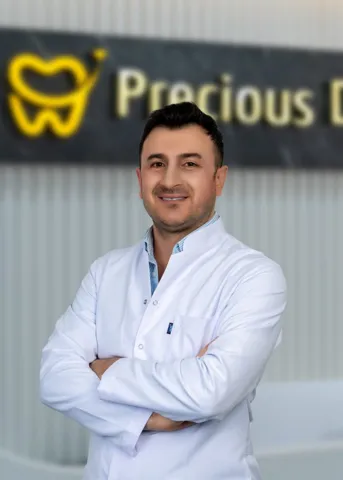 Medically reviewed by Dt. Hüseyin Yavuz Özbek, implant surgeon · Updated October 2026
A chipped tooth, worn acrylic, a lost filling over a screw hole or a slightly loose bridge are the most common problems with All-on-6, and most are repairable. A 2017 review found minor porcelain chipping in about 15% of zirconia full-arch bridges in the short term, with very few bridges failing. Contact your dentist promptly, avoid chewing on the affected side, keep the area clean, and do not try to glue or tighten anything yourself. Swelling, pain or an implant that moves needs urgent attention.
First: urgent or not?
| What you notice | How urgent | What to do |
|---|---|---|
| Swelling, pus, fever or severe pain around an implant | Urgent, same day | Contact your dentist; NHS 111 in the UK if you cannot reach them |
| An implant itself moves, or the bridge moves a lot | Urgent, within a day or two | Stop chewing on it; contact your dentist |
| Bridge slightly loose, clicking or rocking | Soon, within days | Soft food; avoid that side; book a check |
| Chipped tooth, rough edge | Not urgent, but don't leave it | Keep the piece; book a repair |
| Lost filling over a screw hole | Not urgent | Keep clean; book a replacement |
| Crack across the bridge | Soon | Soft food; book promptly |
Chipped teeth
Chipping is the most common problem with full-arch bridges. A 2017 systematic review of one-piece zirconia full-arch bridges found prosthetic complications in about 16% of bridges in the short term, almost all of them minor chipping of porcelain layered on the zirconia. Only about 1.4% of bridges failed outright. Solid (monolithic) zirconia avoids layered porcelain, which is one reason it is increasingly used. Acrylic teeth wear rather than chip, and can crack or come away from the framework.
Small chips can often be smoothed and polished in the mouth. Larger ones may need the bridge to be removed and repaired in a laboratory, or the tooth rebuilt. Keep any broken piece and bring it to the appointment.
A loose bridge
With a screw-retained bridge, a slight looseness, a click when biting or a bad taste near one implant often means a prosthetic screw has loosened. A 2014 review found screw-retained reconstructions had fewer complications overall than cemented ones, but abutment and screw loosening do happen, particularly with heavy biting or grinding.
- Don't ignore it. When one screw loosens, the others take extra load, and a loose screw can break.
- Don't try to tighten it. Screws need specific tools and the correct force for your implant system.
- Eat soft food and chew on the other side until it is checked.
At the appointment, the dentist removes the filling over the screw, checks and re-tightens or replaces it, and reseals the hole. Sometimes the whole bridge is removed to check all the screws. More on how bridges are fixed in screw-retained bridges explained.
A lost filling over a screw hole
The small tooth-coloured fillings over screw access holes can occasionally wear or fall out. You might feel a small hole on the biting surface of a back tooth, or behind a front tooth. It is not an emergency, but food can collect in the channel, so book an appointment to have it resealed. Rinse after meals in the meantime.
A crack in the bridge
A crack across the bridge, or the teeth separating from the framework, is less common but more serious, because it affects how the load is spread across the implants. Stop chewing hard food and see your dentist promptly. Depending on the material and the damage, it may be repaired, or a new bridge may be needed. If your implants are healthy, a new bridge can be made on the existing implants.
Worn teeth
Acrylic teeth wear gradually, especially opposite natural teeth or zirconia. Over years, the bite can become lower and the teeth flatter. Acrylic teeth can often be replaced on the existing framework. The British Society of Periodontology notes that the bridge on top of implants may need replacing more often than the implants themselves. Planning for that, rather than being surprised by it, makes sense.
What usually causes problems
- Grinding and clenching. A 2024 meta-analysis found bruxism strongly linked to mechanical problems with implant restorations. See teeth grinding and All-on-6.
- Very hard foods and habits: crunching ice, cracking nuts, chewing pens, opening packets with teeth.
- A heavy spot in the bite that takes too much force. See bite adjustment.
- Accidents: falls or knocks to the face.
- Material choice: layered porcelain chips more than solid zirconia; acrylic wears faster.
If you were treated abroad
Many repairs, such as smoothing a chip, re-tightening a screw or replacing a screw-hole filling, can be done by a UK dentist who is familiar with your implant system. Bring your implant passport and X-rays. Bigger repairs or a new bridge may involve the original clinic or a new laboratory. Check what your guarantee covers and whether you would need to travel. Our sister guides cover the travel side and repair costs.
Preventing problems
- Wear a night guard if you grind.
- Cut hard foods small and use both sides.
- Never use your teeth as tools.
- Keep maintenance visits, where screws and bite are checked. See hygienist visits.
- Report small changes early; they are usually quicker and cheaper to fix.
A dental emergency kit for home
You don't need much, but a few items make problems easier to handle until you can see a dentist:
- A small sealable bag or pot to keep any broken piece.
- Soft foods in the cupboard: soups, eggs, yoghurt, porridge.
- Orthodontic wax from a pharmacy, to cover a sharp edge that is cutting your tongue or cheek.
- Your water flosser and interdental brushes, to keep the area clean.
- Your implant passport and the contact details of your dentist and treating clinic.
When the bridge is away for repair
If your bridge has to go to a laboratory, ask how long it will be out of your mouth and what you will wear in the meantime. Some repairs can be done the same day; others take longer. Options may include your old temporary bridge, if it was kept, or a temporary replacement. Ask about this before any planned removal. Being without teeth for a few days is far easier to manage if you have planned for it.
Repair or replace?
Whether to repair a bridge or replace it depends on the material, the damage, and its age. A small chip on a young bridge is usually repaired. Repeated chipping, widespread wear on acrylic teeth, or a crack through the framework may mean a new bridge is the better long-term choice. The good news is that, if the implants are healthy, a new bridge can be made on the same implants without further surgery. Your dentist will record new positions and the new bridge is made in the usual way.
Guarantees and records
When something breaks, a guarantee may help with the cost. Guarantee terms usually require regular check-ups and may exclude damage from accidents or from grinding without a night guard. Keep records of your maintenance visits and any problems, with dates. If you were treated abroad, contact the original clinic early, explain the problem and send photos; they can tell you whether it is covered and what to do next.
Small problems, early
The pattern with implant bridges is consistent: small problems found early are quick and inexpensive to fix, while the same problems left for months can become bigger repairs. A rough edge, a slight click or a filling that feels different are all worth mentioning at the time.
At Precious Dental crowns and bridges are guaranteed for five years and implants with their abutments for life, on the conditions in our written terms. Contact us if anything changes with your bridge. Why Precious Dental.
Common questions
My bridge feels slightly loose. Is it an emergency?
Not usually, but it needs attention within days, not weeks. A loose screw can usually be re-tightened or replaced. Left alone, it can break or overload the other implants. Avoid chewing hard foods until it is checked.
Can I glue a chipped piece back on?
No. Household glues are not safe in the mouth and can make a proper repair harder. Keep the piece if you have it and show your dentist.
A filling has fallen out of a hole on my back tooth. What is it?
Probably the seal over a screw access hole. It is not urgent, but see your dentist so it can be replaced to keep food out of the screw channel.
Who can repair my bridge if I was treated abroad?
Many UK dentists can do minor repairs and screw checks if they know your implant system. Bring your implant passport. Major repairs may need the laboratory that made the bridge or a new bridge.
Is a cracked bridge covered by a guarantee?
It depends on the terms and the cause. Guarantees often require regular check-ups and may exclude accidents or grinding without a night guard. Read your written terms.
Sources
- Bidra et al. (2017), Eur J Oral Implantol — Clinical outcomes of full-arch fixed implant-supported zirconia prostheses
- Wittneben et al. (2014), Int J Oral Maxillofac Implants — Screw- versus cement-retained implant reconstructions (technical complications)
- British Society of Periodontology — Patient FAQs: dental implants (prosthesis may need replacing)
- Ionfrida et al. (2024), Dent J — Bruxism and implant complications
- NHS 111
Checked October 2026. Where we give our own view as a clinic, we say so.
Ask a dentist-led team, without the sales pitch.
Tell us what you're considering. A real person replies in plain English, and will tell you honestly if All-on-6 isn't the right step for you.